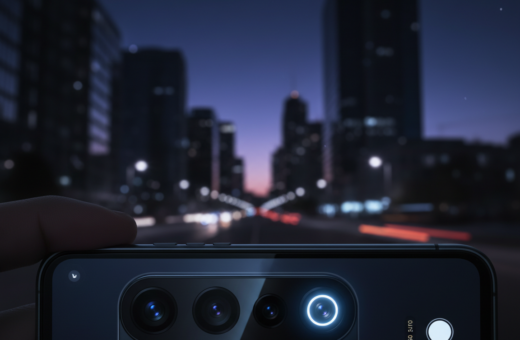
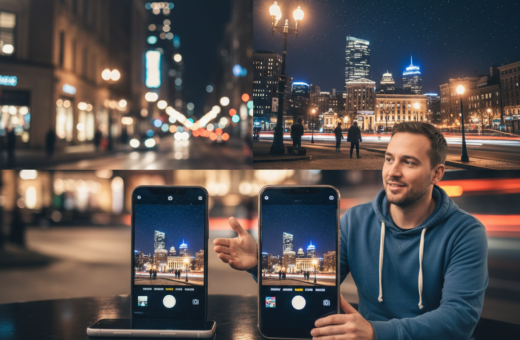
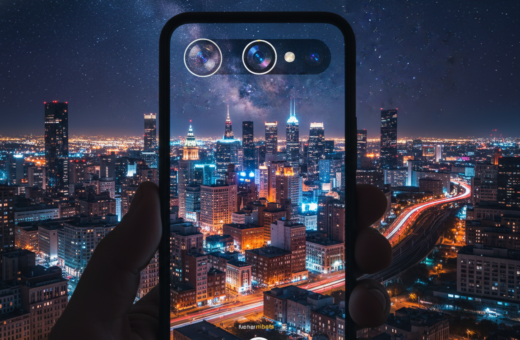
Modern phone cameras can take stunning low-light shots. Yet a thin film on the glass often ruins the result. Amir Bohlooli at MakeUseOf notes that grease from our fingers is a common culprit.
When you shoot after dark, smudges scatter light and kill contrast. That scattering blurs highlights and creates halos that make a crisp image look soft.
Before blaming your editing app or settings, try a quick wipe. The difference between a blurred photo and a sharp one can be just a clean sensor cover on your phone camera.
Understanding this simple step helps anyone in the United States get gallery-ready night photos without extra gear. Small care, like removing grease and smudges, gives you clearer photos and less time fixing them later.
Why Your Smartphone Camera Struggles at Night
Shooting after sunset exposes the limits of tiny camera systems in phones. Low light reduces the photons your sensor can collect, so the device raises ISO or lengthens exposure. Both choices can hurt a final photo.
Practical limits matter. A small phone sensor has less area to capture light. That makes noise more likely when ISO climbs past about 800. Artbeat Studios shows what careful technique can do: a camping print rated 29/30 proves excellent results are possible.
- Manage exposure and keep ISO between 400–800 to limit digital noise.
- Street lights and neon can send automatic settings awry, creating blown highlights.
- Stability matters: steady support helps the small lenses and cameras capture longer exposures without blur.
If your phone relies on automatic modes, try manual controls or a simple tripod. For step-by-step tips, see this sample guide to improve night shots in the field.
The Science Behind Dirty Smartphone Lens Night Photography Quality
When stray particles sit on the glass, they scatter rays and erase fine detail in low-light scenes. That effect becomes obvious after sunset, when each photon matters more.
Light Scattering and Halo Effects
Small contaminants—dust, grease, or a water bead—alter the path of incoming light. Rather than reaching the sensor cleanly, rays bounce and spread. This creates halos around bright points and softens street lights in images.
Photographer Harry Guinness once showed how a single water droplet on glass ruined a moody Scottish loch shot. That droplet acted like a tiny projector, throwing unwanted blur across the frame.
Impact on Contrast and Detail
A smeared surface reduces contrast and hides micro detail. Even with correct exposure, the camera cannot record what never reached the sensor.
Editing can only do so much. If light information is lost at capture, sharpening or filters will not restore true detail. Treat a fouled optical surface like a filter that degrades results and plan to clean it before serious evening shoots.
Identifying Grease and Smudges on Your Glass
A quick visual check under strong illumination often reveals what a casual glance misses. Use a flashlight or desk lamp to scan the round cover and look for haze, streaks, or tiny specks.
Testing Under Direct Light
Matthias Oberholzer captured a clear example where dust showed up on a photo when examined against a dark background. That image proves how simple inspection can reveal problems before you shoot.
How to check:
- Place the glass against a dark backdrop or hold the device at an angle toward a bright lamp to reveal dust and smudge patterns.
- Look for a hazy window of blurriness across the cover — it indicates grease that will soften your night images.
- If you spot streaks of dirt or water, stop and clean the surface before you take serious photos.
Doing this quick test saves time later. A few seconds of inspection prevents the frustration of returning home to find soft or washed-out shots.
Essential Tools for Cleaning Your Camera Lens
A tiny kit in your bag can save an evening shoot from unwanted glare and haze.
Microfiber cloth tops the list. Carry one in your bag and use it for quick wipes between shots. It removes smudges and light dust without scratching the glass.
At home, add a soft brush or a manual air blower to your set. These tools clear loose dust before you polish. Never use compressed air — chemicals can harm the delicate parts inside your phone.
- Soft brush — for gentle dust removal.
- Manual air blower — lifts particles without contact.
- Microfiber cloth — for final cleaning and shine.
- Protective case with raised bezel — to keep camera glass off surfaces.
“A small kit prevents lost time and keeps shots sharp,”
Make cleaning a habit. With the right tools at hand, you will protect your camera lenses from the elements and enjoy better night photography in more places around the world.
Proper Techniques for Removing Grime Without Damage
A fast, careful wipe can stop glare before it wrecks an evening frame. Use safe methods so you remove grease, water beads, and dust without harming the protective coatings on your camera glass.
Using Microfiber Cloths
Always choose a soft, lint-free microfiber cloth. Fold it to create a fresh face and wipe gently. Harsh rubbing can scratch coatings and leave streaks.
Applying Cleaning Fluid
Put a few drops of approved cleaning fluid on the cloth — not directly on the camera lens. This dissolves grease and makes it easier to remove smudges in seconds.
Circular Motion Methods
Ikaia Pal recommends cleaning in a circular motion, starting at the center and moving outward. This helps push dust and grit off the glass instead of grinding it across the surface.
- At home: take a little extra time to deep clean camera lenses and remove buildup.
- On the go: spend a few seconds wiping before shooting to avoid ruined frames.
- Be gentle: light pressure protects coatings and keeps the case and tools from causing harm.
“A circular, center-outward sweep minimizes streaks and preserves coatings.”
Proactive Habits to Keep Your Camera Lens Pristine
A few proactive steps prevent dust and oils from ruining your evening frames. Build simple routines so your device stays ready when light falls and street scenes appear.
Use a protective case. Aryan Surendranath from MakeUseOf stresses that a case with a raised bezel shields the glass during daily use and while you travel.
When you are out in the world, keep your phone in a clean bag or pocket to stop dust and grit from settling on the lenses. If rain or water spray is present, spend a few seconds with a soft cloth to clear smears before you shoot.
Avoid touching the glass with your fingers. Oils leave smudges that need more effort to remove and can affect settings at low light. Check the lens before you take your shots so each frame is sharp.
“Proactive care at home and in the field is the best way to ensure your camera is ready for the challenges of night photography.”
- Protective case with raised bezel
- Soft cloth in your bag for quick wipes
- Store the device in a clean pocket or pouch
- Quick check of the glass before each set of shots
Conclusion
Invest a few seconds in the glass and you will see a clear return in your images.
Maintaining a clean lens is the single best step to improve your night photo results. A quick wipe with a soft cloth removes dust and dirt that scatter light and reduce contrast.
Even the best camera cannot recover detail lost when rays are scattered. By following the simple cleaning steps here, your photos and images will look sharper with less time spent on editing.
Make this habit part of how you use your phone. Consistent care and the right tools make a real difference and help you capture night images you can proudly share.