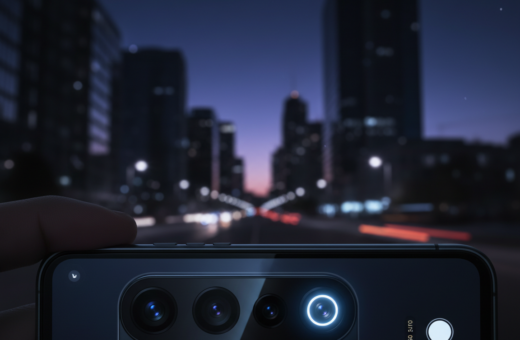
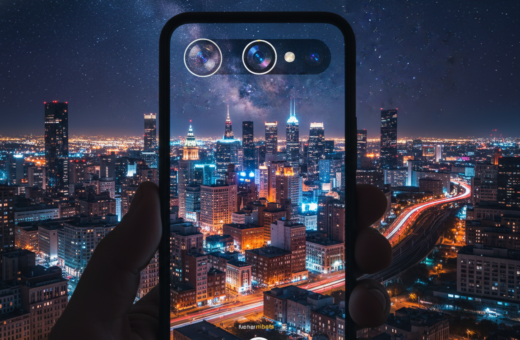
In 2026 the race to capture cleaner, brighter night photos is intense. Users expect clear images without heavy grain. This piece looks at how camera hardware and software shape low-light results.
The VERTU Agent Q brings a striking setup: a 50MP main, 64MP telephoto, and 50MP ultra-wide camera array. Those specs promise high resolution, but real-world image quality still relies on sensor size, lens build, and processing power.
Finding a good budget phone means weighing raw performance against precision engineering. Smart computational algorithms often rescue poorly lit shots, while quality glass and large sensors keep detail and reduce noise.
We will explore sensors, software, and trade-offs in price so you can pick a device that turns darkness into usable photos. Expect clear guidance on what truly improves your images.
The Evolution of Low-Light Mobile Photography
Advances in sensor design and computation have rewritten the rules for shooting after-dark scenes on a phone. What began as noisy, unusable snaps now produces images with real detail and color fidelity.
Manufacturers combined larger sensors with faster processors to boost light capture. Modern camera modules use frame stacking and image fusion to pull signal from dozens of frames. That process lifts shadows and trims luminance noise.
- Transition from grainy shots to professional-grade results on a standard phone.
- Hardware improvements—bigger sensors and wider optics—work with raw processing power.
- Algorithms now balance dynamic range across artificial and natural lighting.
“Frame stacking and smarter fusion are what let phones capture atmospheric night scenes without bulky gear.”
Today’s cameras prioritize noise reduction while keeping colors natural. As competition heats up, the best phones blend precision engineering and AI to make low-light shooting accessible to everyone.
Understanding the Entry Level vs Flagship Smartphone Night Photography Comparison
How a device handles dim scenes often comes down to more than sensor specs. A short intro shows that the gap is mostly software-driven and tied to optical hardware.
Defining the Performance Gap
The real divide between budget and premium devices is computational sophistication. Flagship phones typically run faster chips and use multi-frame fusion to cut noise and boost detail.
Budget phones can still produce usable photos by leaning on smart algorithms. But raw sensor size and lens speed set the ceiling for what software can recover.
Key Metrics for Success
Measure cameras by the metrics that matter:
- Sensor area and pixel binning for light capture.
- Aperture and optical quality to reduce blur.
- Frame stacking and processing power for consistent shots and video.
- Integrated editing and AI features that refine image quality after capture.
“The best outcomes come when quality optics and smart software work together.”
The Role of Sensor Size and Aperture in Dim Lighting
Physical optics still set the baseline for how cameras perform when light is scarce. Hardware determines how many photons reach the sensor before any processing begins.
The Honor Magic 7 Pro uses a bright variable aperture that opens wider in dim conditions to gather more light. This mechanical change gives the sensor more signal to work with and reduces reliance on heavy processing.
The Impact of Physical Light Gathering
Larger sensors capture more photons and cut down on electronic noise. Bigger pixels are less prone to interference, so images appear cleaner in low-illumination scenes.
A wider aperture also matters. The f/1.59 on the VERTU Agent Q lets more light strike the sensor, producing brighter frames with less grain. When a phone can vary aperture, it balances bright-scene sharpness with dim-scene sensitivity.
- Photon capture: Sensor area remains the foundation for better results.
- Optics: A good lens and wider aperture focus light evenly across the sensor.
- Main camera design: Flagship main camera modules usually pair large sensors with fast glass to keep images clear without over-relying on software.
Computational Photography and AI Processing Power
Advanced processors let phones merge many frames into a single, cleaner image in seconds. Modern camera systems rely on software to stack exposures, lift shadow detail, and tame noise.
Google’s Night Sight and Apple’s intelligent Night mode combine multiple exposures to reveal details that a single shot would miss. That fusion balances highlights and shadows while keeping colors natural.
AI-driven editing tools run after capture to reduce grain and sharpen fine detail. This automated editing improves photos without complex user input.
- Frame stacking preserves sharpness for handheld shots by aligning and averaging many images.
- AI color tuning adjusts tones to look realistic under artificial light.
- Chip performance powers the heavy algorithms needed for night mode video and stills.
“Computational photography allows a modest sensor to capture more light than one exposure can record.”
Because of these advances, a lower price does not always mean poor image quality. Software and processing power now define much of a camera’s low-light capabilities.
Analyzing Flagship Camera Systems
Top-tier camera systems combine large sensors, refined optics, and fast chips to lift low-light detail above what small modules can achieve.
Advanced Sensor Arrays
Large sensors and diverse pixel layouts let devices collect more photons and preserve fine texture. The Samsung Galaxy S25 Ultra uses a 200MP main sensor and the AI ProVisual engine to cut shadow noise while keeping detail.
The Xiaomi 15 Ultra takes a hardware-first approach with a one-inch Sony LYT-900 sensor and Leica optics to maximize light gathering.
Mechanical Zoom Innovations
The VERTU Agent Q and similar phones add mechanical zoom lenses to keep image quality when changing focal length.
True telephoto modules deliver cleaner long shots than digital crops. That matters for distant city scenes and dimly lit subjects.
AI-Driven Night Sight
Software completes the system. The Google Pixel 10 Pro XL extends Night Sight across all cameras and adds framing help with Camera Coach.
Apple’s iPhone Pro models pair the A19 Pro chip and dedicated controls for quick adjustments, balancing color and exposure in low light.
- Chip power: enables frame stacking and fast processing for video and stills.
- Telephoto: keeps detail when zooming at twilight.
- Battery: optimized to support long exposure sessions without rapid drain.
Performance Capabilities of Budget-Friendly Devices
Lower-priced models now combine solid optics with smart processing to deliver surprising results after dark. The Google Pixel 9a, for example, pairs a wider aperture main lens with an acclaimed astrophotography mode that helps capture stars and low-contrast sky detail.
The standard Galaxy S25 brings many flagship features at a friendlier price. It offers a compact body, dependable camera software, and strong battery life for long shooting sessions.
You do not need a massive sensor to get a great frame. These phones use the same computational tricks found in higher-cost models to stack frames, reduce noise, and keep color natural.
- Pixel 9a: affordable, wide lens, astrophotography mode for sky shots.
- Galaxy S25: compact design, reliable camera performance, good battery and updates.
- Both phones deliver usable zoom and telephoto-like crops without the heavy price of the S25 Ultra or certain iPhone Pro models.
“Good lenses and modern processing make strong low-light results accessible to many users.”
Essential Techniques for Capturing Better Night Shots
Shooting after dusk demands steady hands and smart settings to get clean, usable images. Small technique changes often beat hardware upgrades when you want sharper, less noisy frames.
Stabilization Methods
Optical image stabilization helps a lot, but motion blur still wins if the phone moves during long exposures.
Use a tripod or stable surface for the best results. Even a small table-top tripod cuts blur and improves image quality for slow shutter shots.
Mastering Focus and Exposure
Tap the screen to lock focus and set exposure. Autofocus can hunt in low contrast, so manual adjustment keeps highlights and shadows in check.
Enable night mode or night sight when available; these modes stack frames and use the chip to merge them into one cleaner photo.
- Try manual ISO and shutter speeds for light trails and creative video effects.
- Keep a charged battery—computational modes and long sessions drain power fast.
- Use telephoto or zoom sparingly; they work best with steady support to retain detail.
“Steady support and deliberate exposure choices are the easiest ways to lift low-light performance.”
Managing Flare and Artifacts in Urban Environments
Urban light sources often create stray reflections that spoil an otherwise strong frame.
Flare appears when light scatters or reflects inside a lens. This is common in city scenes with bright signs and street lamps.
High-end models like the Vivo X70 Pro+ use Zeiss-branded lenses and coatings to reduce flare. That design helps the main camera control stray reflections and keep images clean.
Practical steps cut artifacts in your photos. Try changing your angle slightly if a halo shows up. Moving a few inches often removes intrusive rings without altering the shot.
- Use telephoto or zoom to isolate a subject from bright sources when possible.
- Enable night mode or a dedicated mode that reduces glare from complex scenes.
- Learn how your lens and sensor react to direct light so you can avoid or use flare creatively.
Advanced computational tools can remove minor flare during post-processing. Still, mastering angle, distance, and lens choice gives the most consistent results for urban shots.
“Even with the best camera, some flare is inevitable, but it can add atmosphere when used on purpose.”
Why Hardware Still Matters More Than Megapixels
Physical optics and build quality still set the limits for how much usable data a camera can record in dim scenes. A larger sensor and a wide aperture collect more photons, which reduces luminance noise and preserves fine detail.
High pixel counts can help with crops, but they do not create more light. Phones that pair sensible pixel sizes with solid lens elements produce cleaner images and fewer artifacts during long exposures.
Optical image stabilization is another hardware win for low-light shooting. It steadies the shot so the chip can stack frames without blurring, which also helps video and long-exposure mode.
- Sensor area: bigger sensors lower noise and capture more light for better night shots.
- Lens quality: good glass transmits light cleanly; poor optics limit image quality no matter the pixel count.
- System balance: a capable chip, thoughtful software, and strong hardware together yield the best photos—not the highest megapixel number.
“A well-designed camera system balances sensor, lens, and processing to capture maximum detail and color.”
Conclusion
Deciding which camera to buy comes down to what you value most. If you want mechanical reach and top-tier detail, the galaxy s25 ultra and the google pixel pro shine. For steady, reliable shots, the iphone pro remains a top pick.
Budget-minded users get strong, practical results from the samsung galaxy s25 and other affordable options. Prioritize wide apertures, good optical glass, and a smart night mode to lift low-light shots.
Before you buy, compare sensor specs, pro chip power, and the software features that matter to your style. The right camera phone will match your needs and improve your night photography without breaking the bank.